Restoration & Preservation
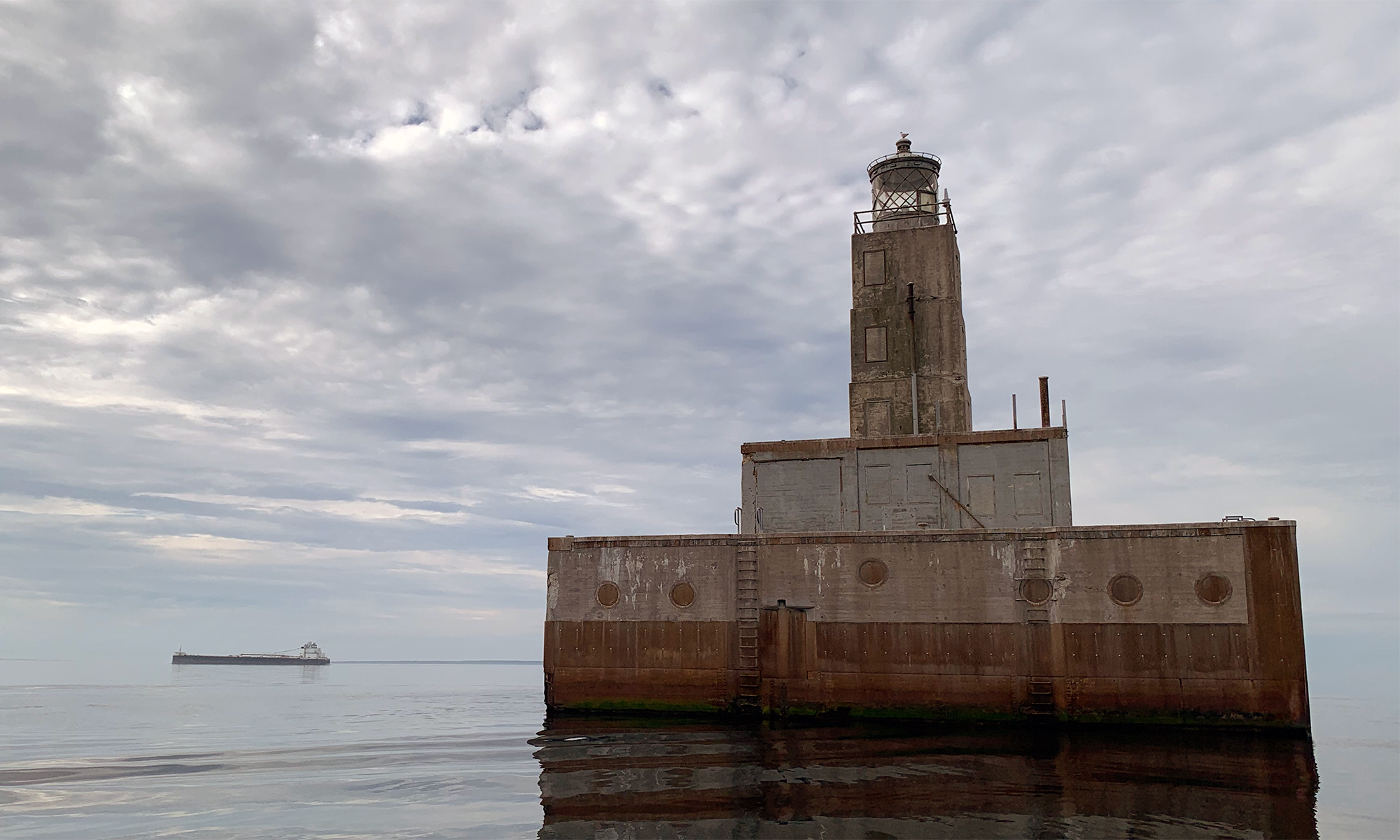
Nearly a century after its completion in 1928, the Lansing Shoals Light Station continues to stand resilient—but not without signs of age and neglect. Exposure to Lake Michigan’s relentless weather, the loss of key components, and long-term automation have left the structure in critical need of restoration and preservation.
Current Condition
The flat concrete roof is leaking, compromising both the tower base and the interior of the station building.
Interior deterioration includes peeling paint, rotting floorboards, and missing doors.
Windows and boat room entrances are sealed with bricks or concrete blocks.
External damage, such as ripped steel plating from a 1993 freighter collision, remains unrepaired.
Many original features, such as the flagpole, railing, crane, and boat tracks, were removed after automation in 1976.
Preservation Goals
Waterproof the roof using marine-grade sealing and membrane systems to prevent further damage to the interior.
Stabilize and restore interior rooms, including the historic kitchen, bedrooms, and tower stairways.
Reinstate or honor missing features such as fog signal hardware, railings, and boat handling equipment.
Preserve historic materials, including the diaphone resonators, lantern components, and steel flues.
Prevent further structural corrosion at the caisson joints, pier walls, and around the flue bases.
Historic Lens Preservation
The original third-order Fresnel lens—once visible for 16 nautical miles—was removed during automation and is now proudly displayed at the Michigan Historical Museum in Lansing, preserving an essential piece of maritime history for future generations.
Long-Term Vision
Our preservation efforts aim not only to stabilize the structure but to educate, honor its legacy, and potentially enable safe virtual or physical visitation in the future. Each restoration step brings this rare offshore beacon one step closer to renewed life.